Visual Impact Assessment
A Visual Impact Assessment (VIA) is a process used to evaluate the potential visual effects of a proposed development or project on its surroundings. It is commonly employed in urban planning, environmental impact assessment, and land development projects. The primary objective of a VIA is to identify, assess, and mitigate any adverse visual impacts that the project may have on the landscape, scenery, cultural heritage, or aesthetic values of an area.
Key components of a Visual Impact Assessment may include:
Baseline Assessment: This involves documenting the existing visual characteristics of the site and its surroundings, including natural features, land uses, cultural heritage, and visual resources.
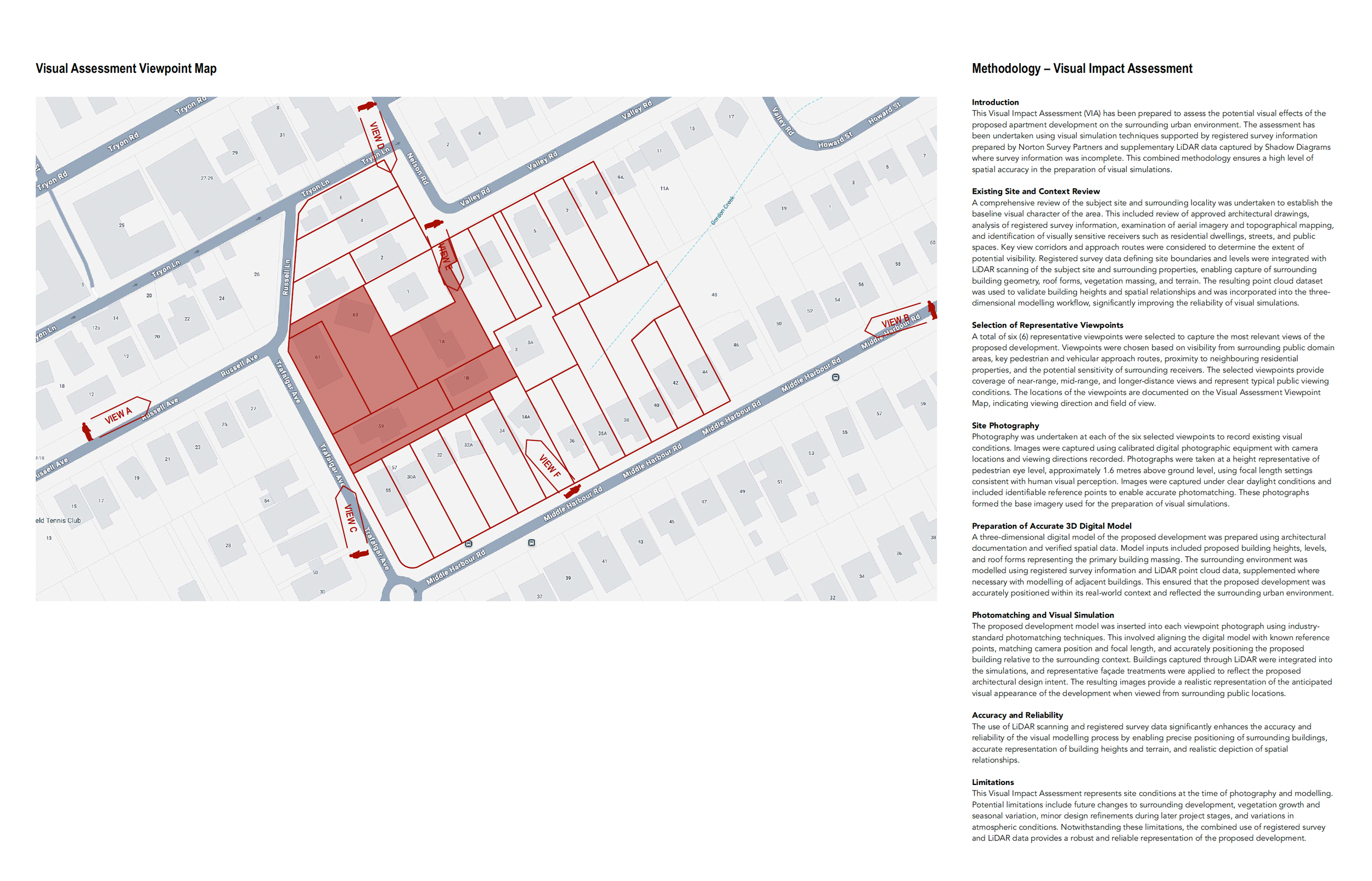
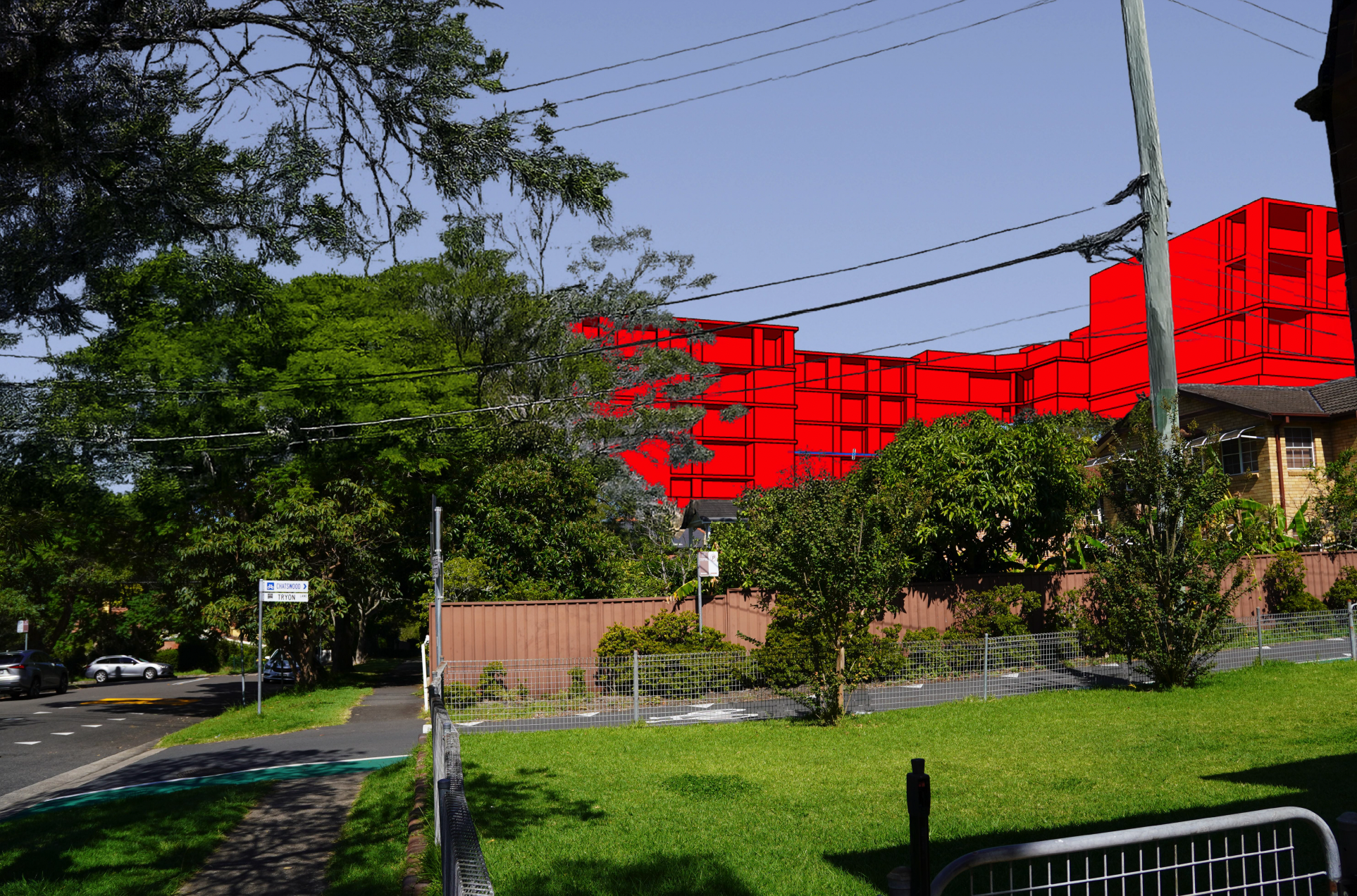
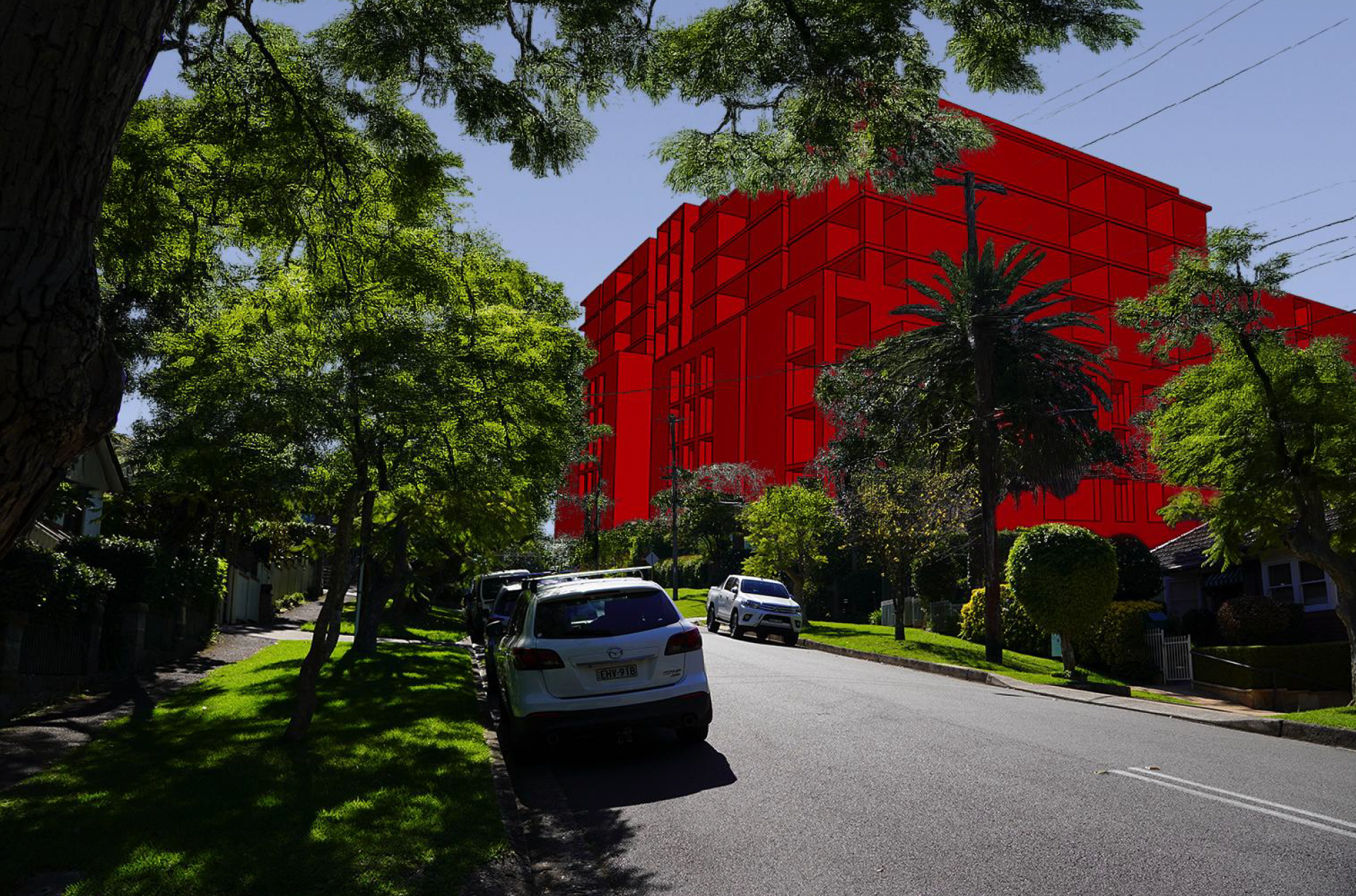
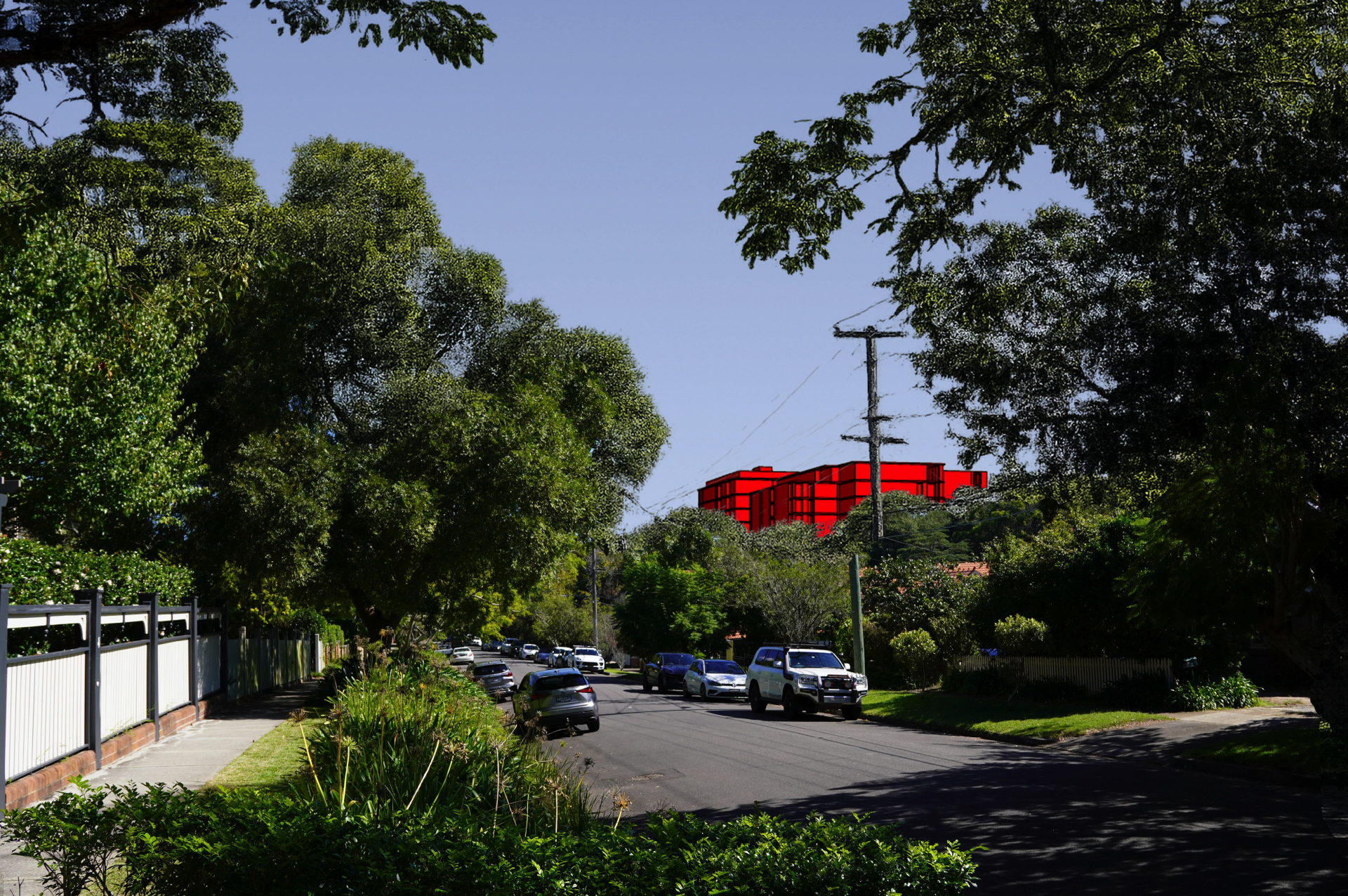
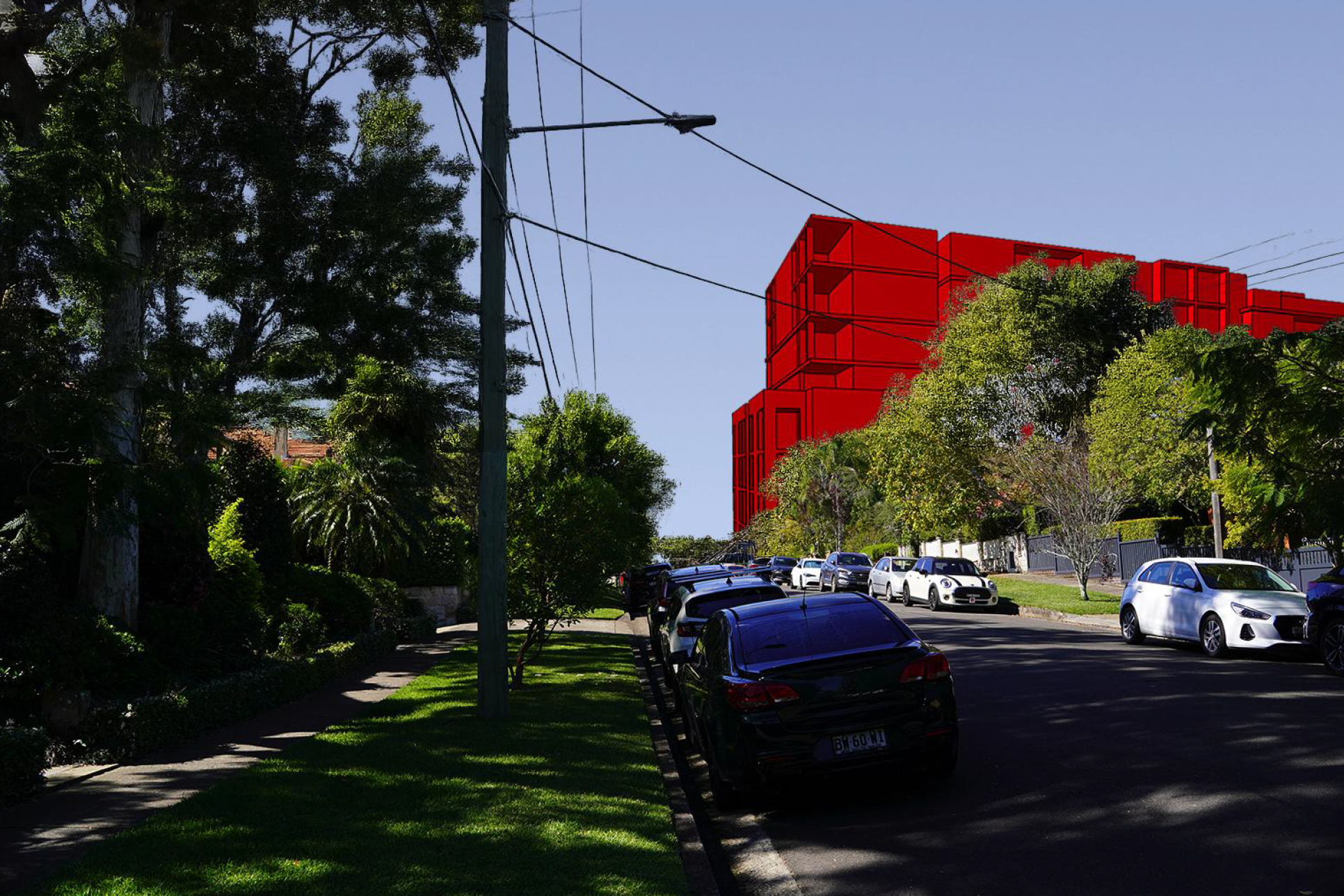
Identification of Views: Identifying viewpoints from which the proposed development will be visible and analysing the potential visual impact from each viewpoint.
Visual Sensitivity Analysis: Evaluating the sensitivity of the landscape and surrounding environment to changes in visual quality, considering factors such as scenic value, cultural significance, and public perception.
Assessment of Visual Effects: Analysing the potential visual effects of the proposed development, including changes in scale, massing, colour, texture, and visual clutter.
Mitigation Measures: Developing strategies to minimise or mitigate adverse visual impacts, such as design modifications, landscaping, screening, or the use of visual buffers.
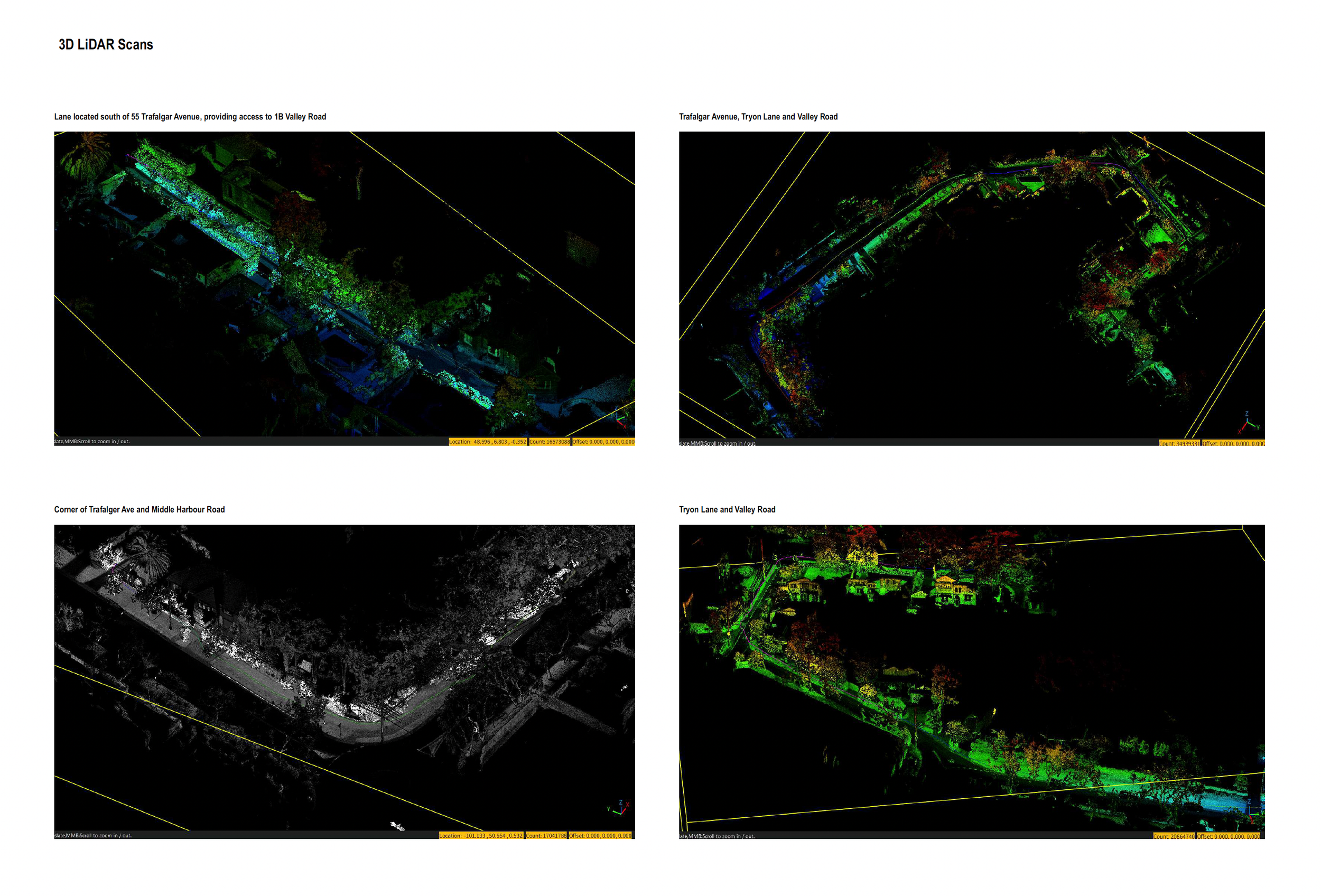
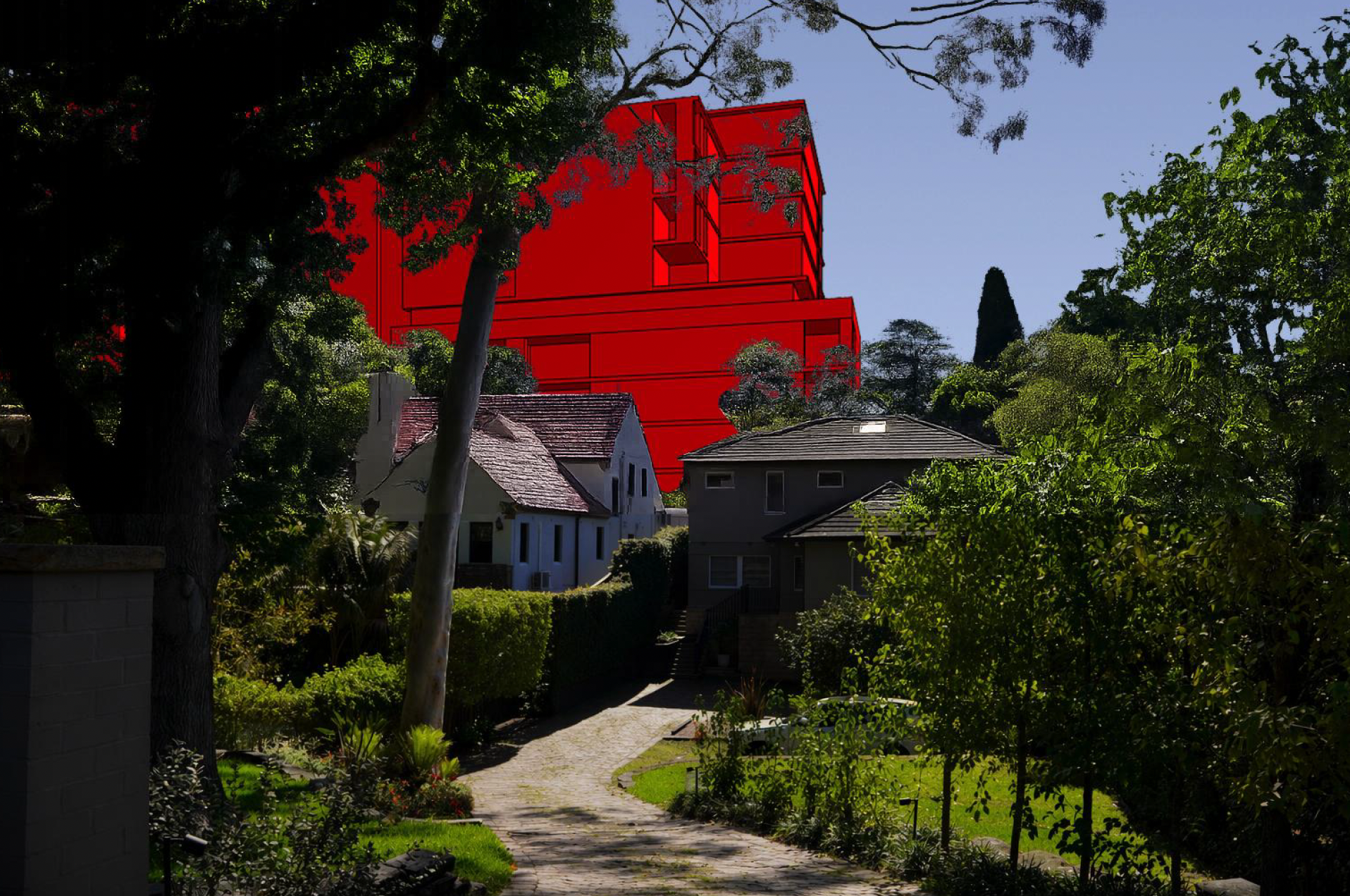
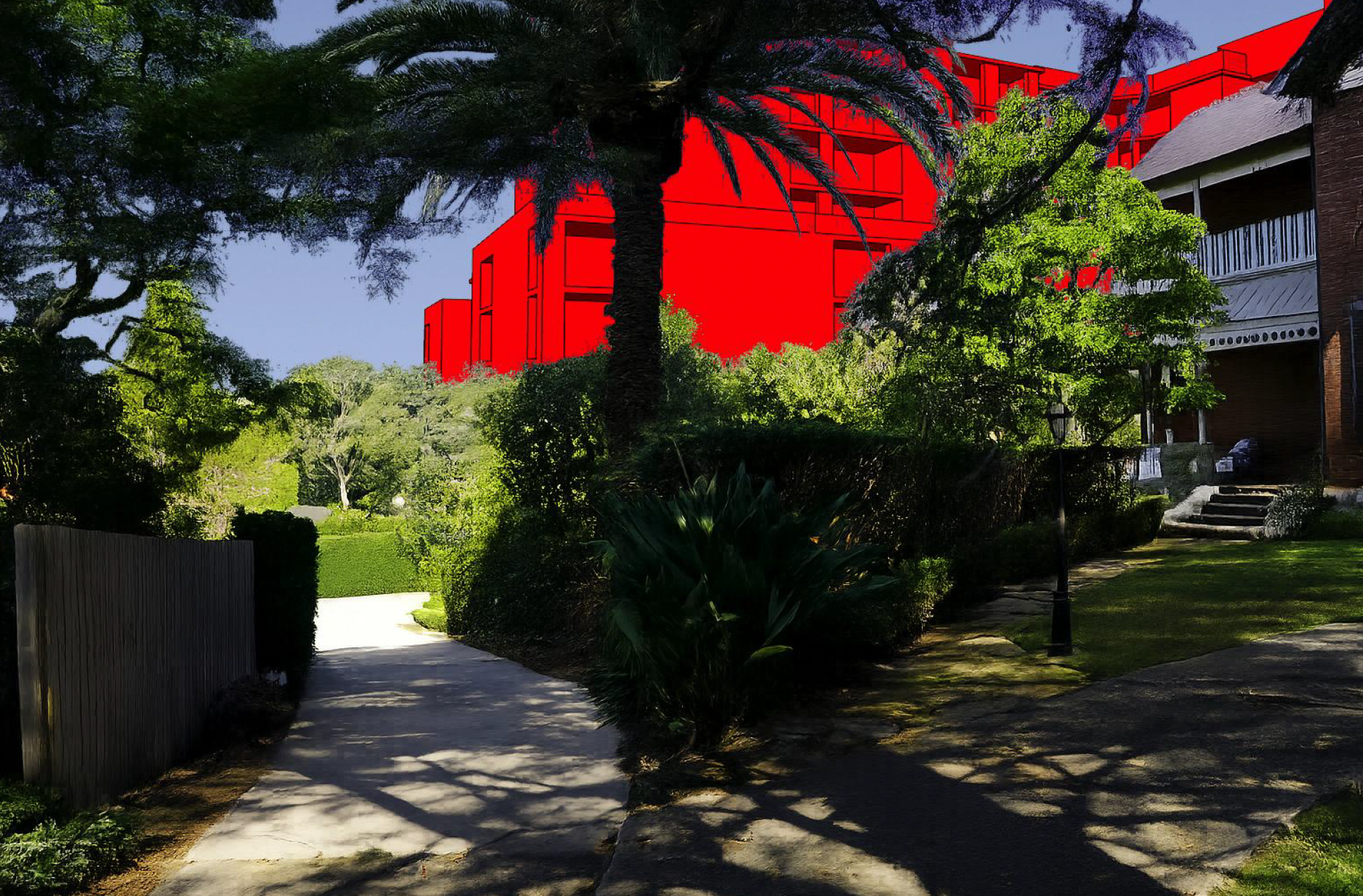
Visual Simulation and Modelling: Utilising computer-generated simulations, visualisations, and photomontages to illustrate the anticipated visual effects of the proposed development and its alternatives.
Public Consultation: Involving stakeholders, local communities, and the public in the VIA process to gather feedback, address concerns, and incorporate community preferences into the decision-making process.
Regulatory Compliance: Ensuring compliance with relevant regulations, guidelines, and standards related to visual quality, scenic preservation, and landscape protection.
Overall, a Visual Impact Assessment serves as a valuable tool for informing decision-makers, developers, and communities about the potential visual impacts of development projects and guiding the planning and design process to achieve more visually harmonious and sustainable outcomes.